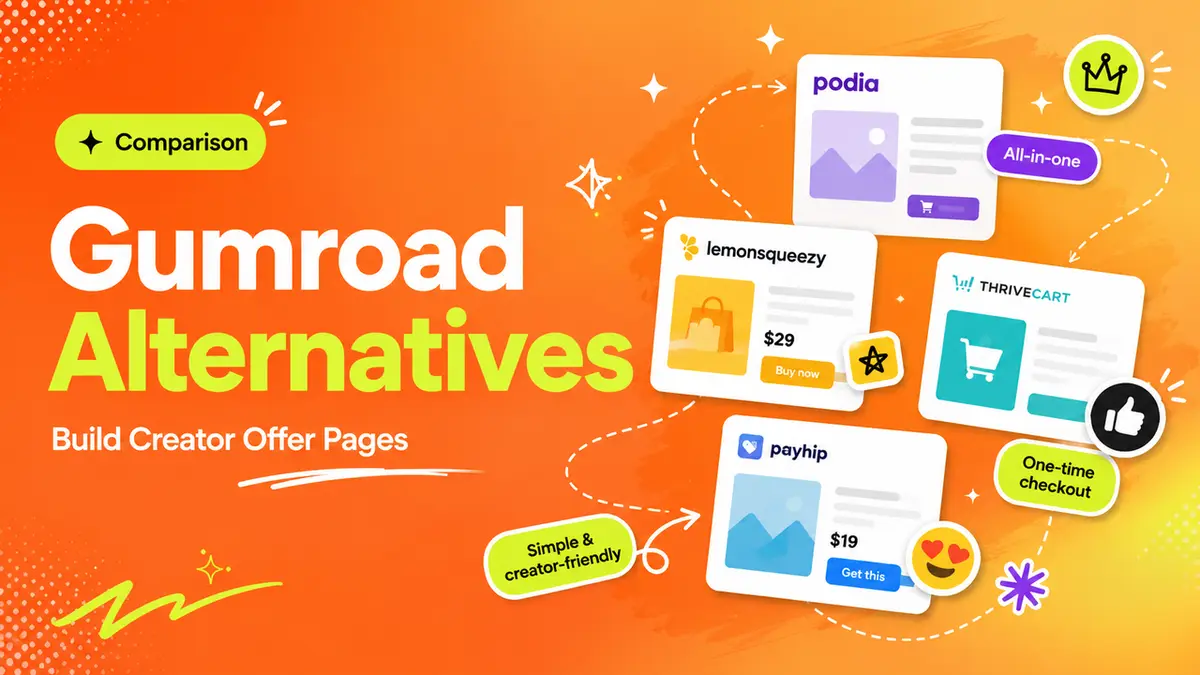
It was a Tuesday night, and I had a Gumroad store half-built for a 12-page meal-prep guide that exactly zero people had bought. Three price tiers. A discount code. A thank-you email I'd rewritten four times. Two hours into wiring up a checkout for a thing nobody had said yes to yet, I stopped. That's the night I started looking at Gumroad alternatives differently: not "which store is best," but "do I even need a store yet, or do I need a page that tells me whether anyone wants this first?" If you're standing at that same fork, this is for you.
Short version:
- "Gumroad alternatives" aren't all stores. Some are full commerce platforms. Some are just a page that presents your offer.
- If you haven't validated the offer yet, a lightweight offer page (pre-sell, waitlist, inquiry, or product card) often beats setting up checkout.
- Once you're handling real payments, file delivery, licenses, memberships, or global tax, you want a real commerce platform. That's a job an offer page shouldn't pretend to do.
- Pick based on the stage you're in, not the tool everyone keeps naming.
Why creators compare Gumroad alternatives
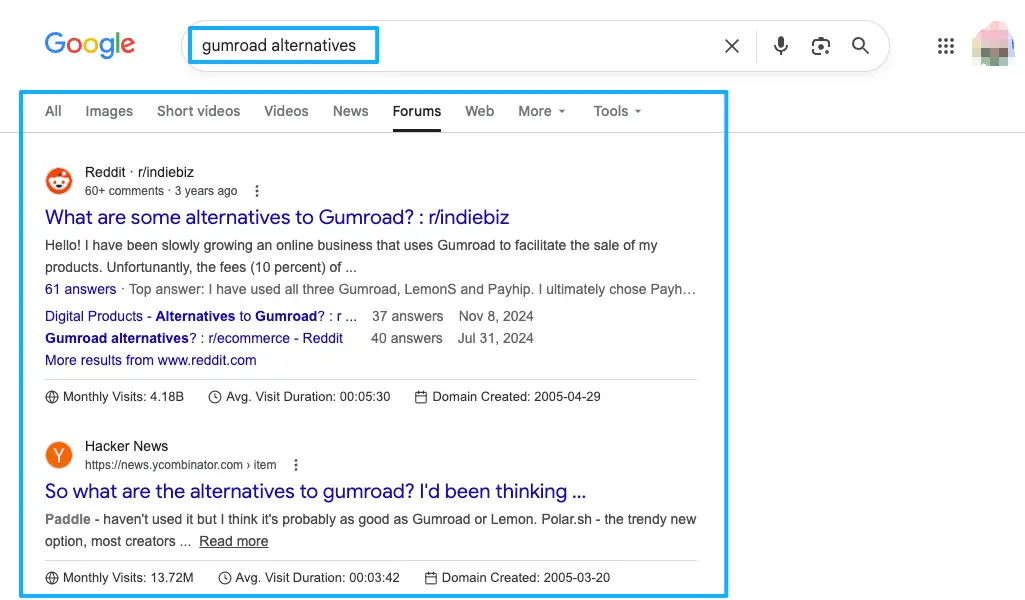
Most people typing "Gumroad alternatives" into Google mean one thing: another store, ideally with a smaller cut. Fair. But there are actually two different questions tangled together in that search, and they lead to completely different tools.
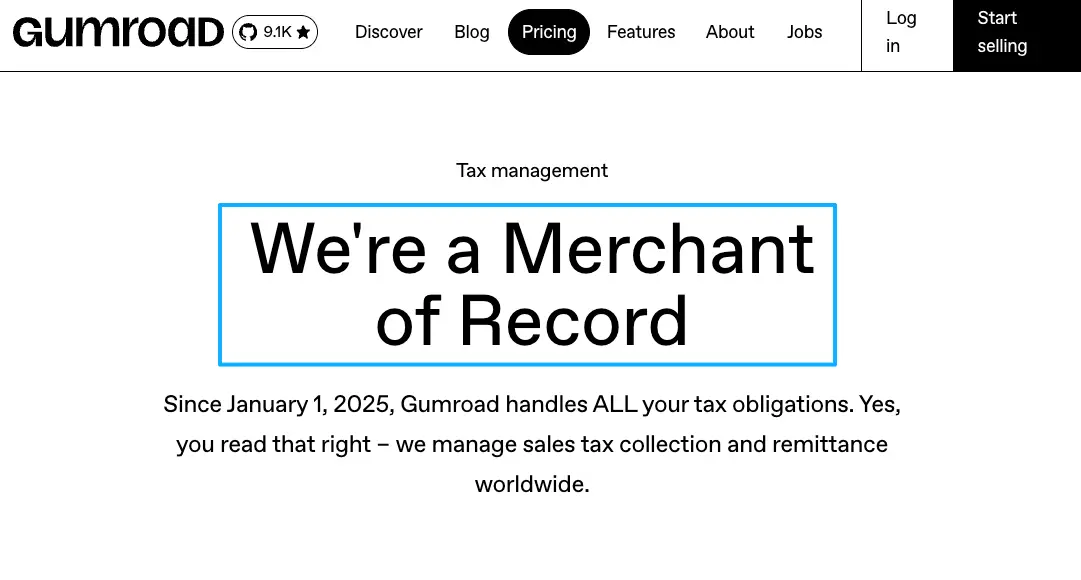
Part of what you pay Gumroad for is the heavy lifting. It runs the checkout, delivers your files, and since January 2025 acts as your merchant of record, meaning it collects and remits sales tax and VAT worldwide so you don't have to. That's genuinely useful once money is moving. It's also why the cut isn't tiny.
So the first question is "I need a different store" — cheaper fees, a cleaner checkout, better membership support. That's a real reason to shop alternatives, and there are good ones.
The second question is quieter and more common than people admit: "I'm not actually sure anyone wants this yet." That's not a store problem. That's a demand problem, and a store won't solve it. Before you compare a single platform, get honest about which of those two questions you're really asking.
Offer page vs creator commerce platform
The distinction that saved me a lot of wasted setup is this: an offer page and a commerce platform do different jobs, and they're not really competitors. One helps someone decide to buy. The other handles the buying itself — the payment, the file, the receipt. Treating them as rivals is how you end up overbuilding one when all you needed was the other.
A commerce platform's job starts at the moment of payment: take the money, deliver the digital product, manage refunds, issue licenses, handle tax. An offer page's job happens before that: get someone to want the thing and raise their hand.
Presenting an offer before handling checkout
You can do the "presenting" part long before you build any checkout. A page that shows what the offer is, who it's for, and why it's worth it can collect interest with nothing more than a button and a form.
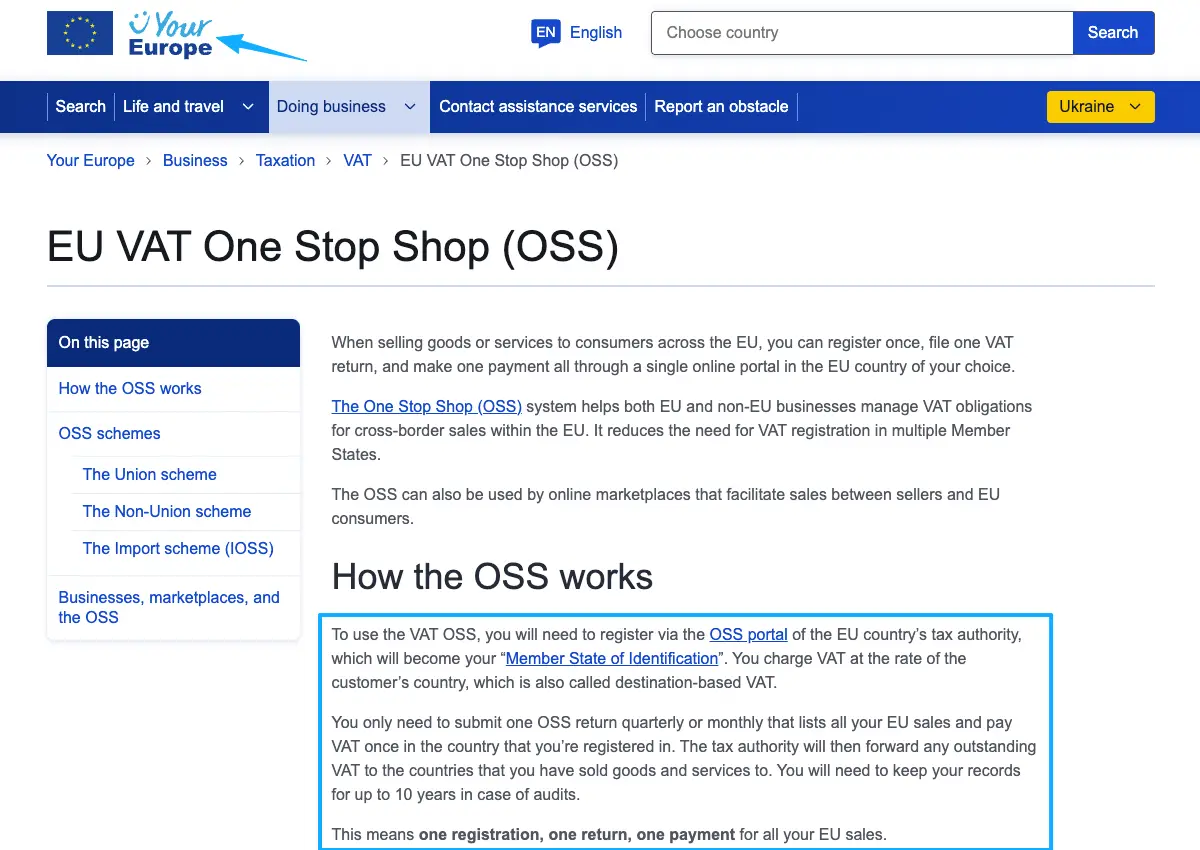
The reason you don't want a plain page handling actual payments is the messy stuff underneath. The second money crosses a border, tax rules kick in. In the EU, for example, digital sales are taxed at the buyer's country rate, not yours, which is exactly the compliance job a real platform takes over as merchant of record. An offer page should never try to be the thing standing between you and a tax authority.
So the sequence is: present first, transact second. You can run the "present" step today and add the "transact" step when you actually have buyers.
When a lightweight offer page makes sense
Before there's a product to deliver, there's a question to answer: will anyone pay for this? A lightweight page is how you find out cheaply, without committing a weekend to checkout settings for a guide three people might want.
Pre-sell, waitlist, inquiry, or product card
There are four versions of this, and you only need one at a time.
Pre-sell or waitlist. Put up a creator offer page describing what's coming, with a form to join the list or reserve a spot. If fifty people sign up, build it. If four do, you just saved yourself a launch. This doubles as a lead capture page you can email when it's ready.
Inquiry. For higher-ticket or custom work (coaching, a service, a done-for-you package), you don't need a buy button at all. You need a short form that asks the two or three things you always end up asking anyway, then you close the conversation yourself.
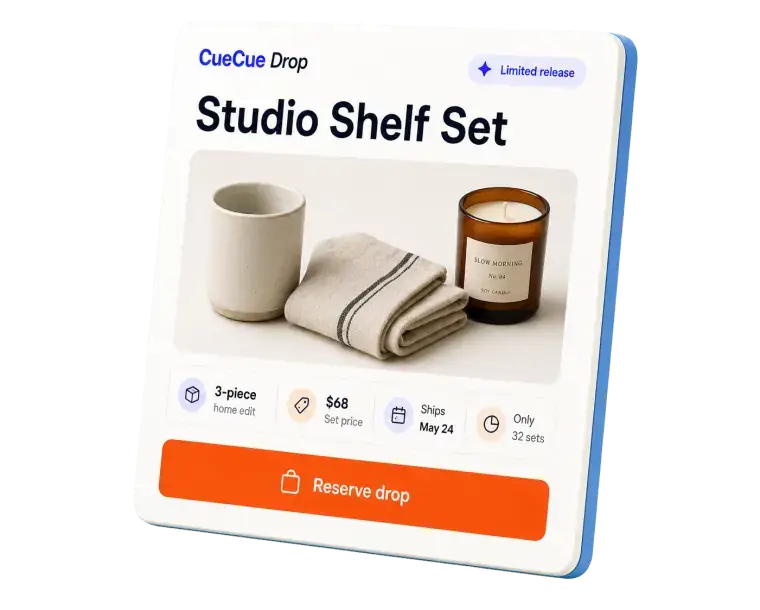
Product card. A clean digital product page with the offer, a couple of proof points, and one clear button. When you're not ready to take payment, that button joins a waitlist. When you are, it points straight at your checkout.
Most of this traffic starts on social, by the way. About half of U.S. adults use Instagram as of 2025, and creators lean heavily on that reach, so wherever your buyers scroll, the link in your post needs somewhere to land before a store even exists.
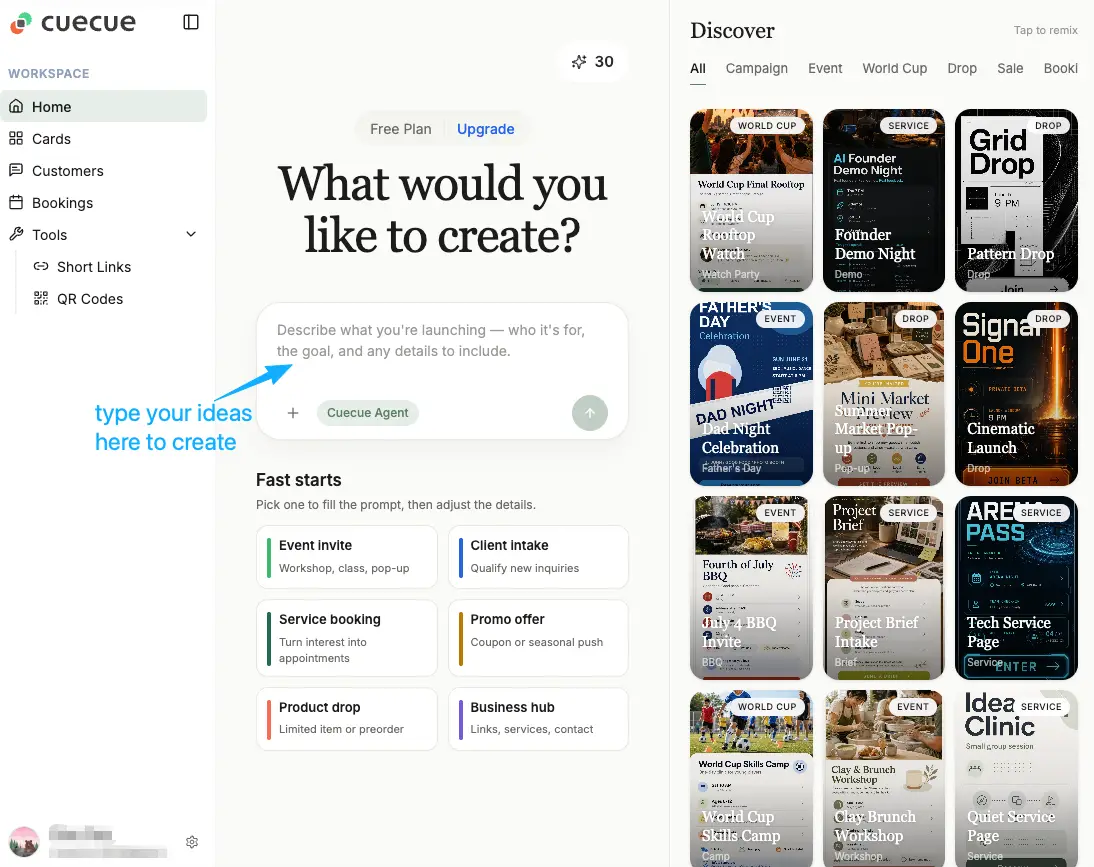
Here's an example you could build: an interactive card with your offer up top, a short waitlist or inquiry form, and one button, made on something like CueCue. It presents the offer and captures interest. It does not take the payment. When you're ready for that, you point the button at a real checkout. So pick one of the four moves above and put that page up this week, before you touch any store settings.
When Gumroad-style tools are still better
An offer page is for before and around the sale. The moment you're truly selling, at any real volume, a commerce platform earns its cut, and trying to dodge that with a duct-taped page will cost you more than the fees would.
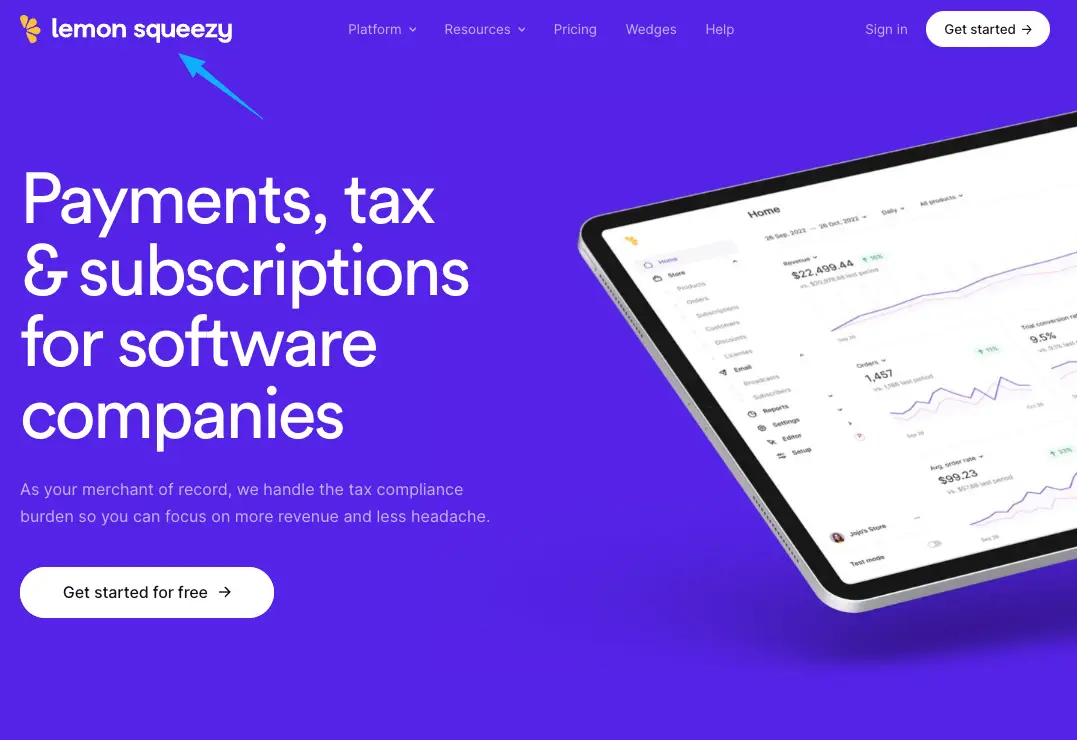
You want a Gumroad-style tool when you're delivering files automatically, issuing license keys, running memberships or subscriptions, handling refunds and chargebacks, and especially when you're dealing with tax across countries. Lemon Squeezy, for instance, acts as merchant of record for digital products and subscriptions the way Gumroad does, so you're not registering for VAT in a dozen places yourself. Lighter options like Payhip or Ko-fi cover a lot of that too, at different price points.
This is the part I want to be straight about, because it's easy to overreach: an offer page does not do checkout, file delivery, licenses, memberships, or tax compliance. CueCue and tools like it are the present-and-capture layer, not the store backend. Don't force a card to be a checkout. Let it feed one.
So if you're past validation and handling real money, files, and tax, choose a commerce platform on purpose, and let your offer page point traffic into it rather than replace it.
Decision checklist for digital product creators
When you're weighing Gumroad alternatives, run your situation through these before picking anything:
- Has anyone actually paid for something like this? No? Start with an offer page or pre-sell, not a store.
- Are you delivering files, licenses, or memberships automatically? Yes? You need a commerce platform.
- Selling across borders, or worried about VAT and sales tax? Yes? Pick a merchant-of-record platform so the tax isn't your problem.
- Is it high-ticket or custom? Use an inquiry-style offer page and close the deal yourself.
- Do you just need to catch interest from today's social traffic? A lightweight offer page now; a store when the orders justify it.
The pattern: the more real the transaction, the more you need a true platform. The earlier and more uncertain you are, the more a simple page wins.
You need one page that turns a share into a yes, so before you build the checkout, build that. Put up an offer page with a single clear action — pre-order, waitlist, or "tell me what you need" — and share it this week. Let the responses tell you when it's time for a real platform.
FAQ
What is a Gumroad alternative?
Any tool you'd use instead of Gumroad. Some are near-equivalents (full commerce platforms like Lemon Squeezy, Payhip, or Ko-fi that handle checkout, delivery, and often tax). Others aren't stores at all, just offer pages that present what you're selling and collect interest. The right pick depends on whether you need to take payment yet or only need to test the idea.
When is an offer page enough for creators?
When you haven't validated the product, when you're collecting a waitlist or pre-orders, or when the offer is custom and you close it in conversation. If you're not yet delivering a file automatically to strangers and collecting tax on it, a focused offer page usually does the job.
Can creators use a landing page before choosing a sales platform?
Yes, and it's often the smarter order. A simple page that presents the offer and captures emails or inquiries lets you gauge demand and build a list first. You can add a real checkout once you know people want it, and your existing page just points to it.
How can creators test demand before setting up a full store?
Put up a pre-sell or waitlist page and share it where your audience already is. Watch how many people actually raise their hand. A page that asks for an email or a reservation tells you more, faster, than any amount of guessing, and it costs almost nothing to run.
About this content
- Written by
- Mia Anderson, UGC Creator · Content Creator
- Reviewed by
- CueCue Team, Editorial review desk
- Last updated
- June 5, 2026
- Editorial standard
- CueCue articles are written for practical use, checked for clear sourcing, and updated when product or policy details change.