Last spring, sending one collab brief to a brand meant five browser tabs open at once: my Linktree, a Google Form, my Calendly, a Gumroad page, and a phone folder of screenshots I kept calling a "portfolio." I shut the laptop sure that the real fix was a proper website, so I started pricing one out. I'd diagnosed it backwards. I didn't need more pages. One page, one job. That's what I'd actually needed the whole time. And if you're the kind of person googling "Squarespace alternatives" right now, odds are you're stuck on the exact thing I was. What follows is the no-jargon take: when a lighter one-page action page does the job better than a full multi-page site, and when it flat-out doesn't.
If you need a blog, a proper store, a stack of pages, and room to rank on Google, a full website builder is your tool. But if what you really want is one mobile destination — a bio link, an RSVP, a booking, a product drop — a one-page action page goes live faster and is way less of a chore to keep current. The rest of this just helps you figure out which of those is you.
Why people search for Squarespace alternatives
Hardly anyone looks up Squarespace alternatives because Squarespace is bad at being Squarespace. They look because something feels off for their specific situation. A few patterns show up over and over:
- Cost without the payoff. There's no free tier, only a trial, and paying every month for a full site stings when you're really using one screen of it.
- Maintenance you didn't ask for. A multi-page site becomes a thing you now have to keep current: pages, navigation, a blog you swore you'd update.
- Time to launch. You have a workshop next week, not a website project this quarter.
- Overkill for the goal. You wanted somewhere to collect inquiries and ended up inside a site builder.
See the thread running through those? Most aren't about quality. They're a mismatch between a whole website and a single goal. So the more useful question isn't just "which Squarespace alternative is best." It's "do I need a website at all, or one good page?"
Full website vs one-page action page
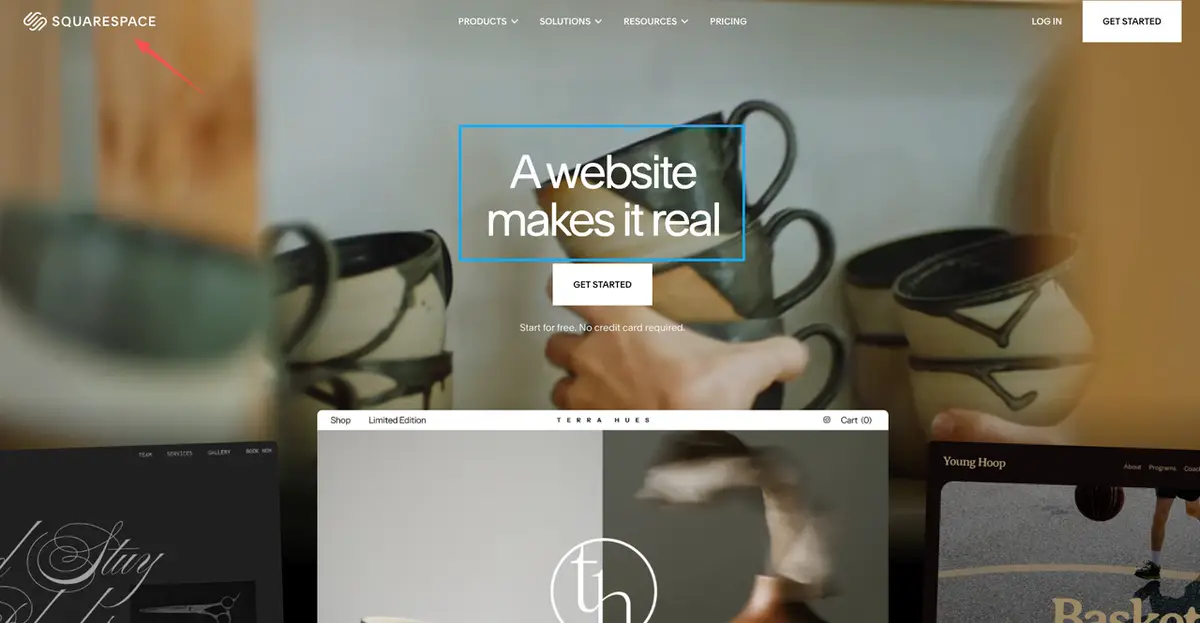
Most people treat these as one thing. They're not. Squarespace is for building actual websites — several pages strung together, home and about and services and a blog and maybe a shop, with a nav menu up top so people can jump around.
A one-page action page is the opposite shape. It's a single mobile landing page built around one next step. No menu to wander through, no second page you'll forget to update. Some tools call this a web card or a lightweight website; the label matters less than the shape.
Multi-page content vs one mobile goal
A multi-page site is organized by topic: each page covers a thing, and visitors browse around. A one-page action page works the other way. It's built around one goal, so every piece on the screen nudges people toward the same thing. And that difference bites hardest on a phone, which is where almost all of this gets opened anyway: a tap from a bio link, a scanned QR code, a swipe-up off a story, a link buried in a DM. Smaller screen, fewer choices, and usually more people actually doing the thing. A homepage asks people to figure out where to go next; a one-page action page makes that decision for them. That's the whole trade: you give up breadth, and in return the one thing you actually care about gets done more often.
When one action page is enough
Try finishing this sentence: "when someone lands here, I want them to ___." If one verb covers it, a one-page action page is almost certainly all you need. The common cases:
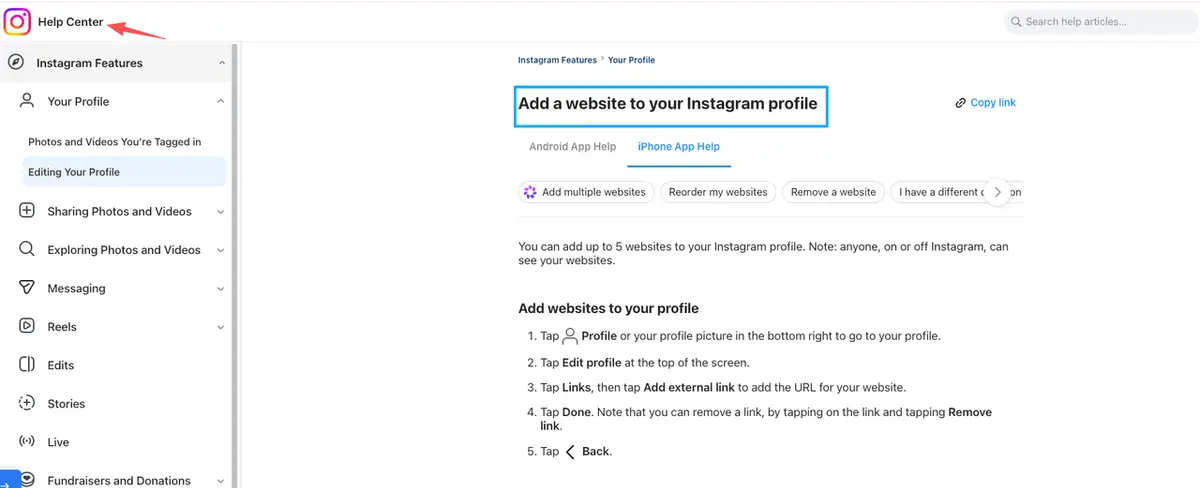
- A creator or freelancer turning a bio link into bookings, inquiries, or a portfolio plus rate request. (The link you add to your Instagram bio can point at one focused page instead of a busy homepage.)
- An event host who needs an RSVP page that looks better than a Google Form and stays lighter than full event software.
- A small seller promoting one product drop or offer.
- A campaign click from an ad that deserves its own focused page, not your general homepage.
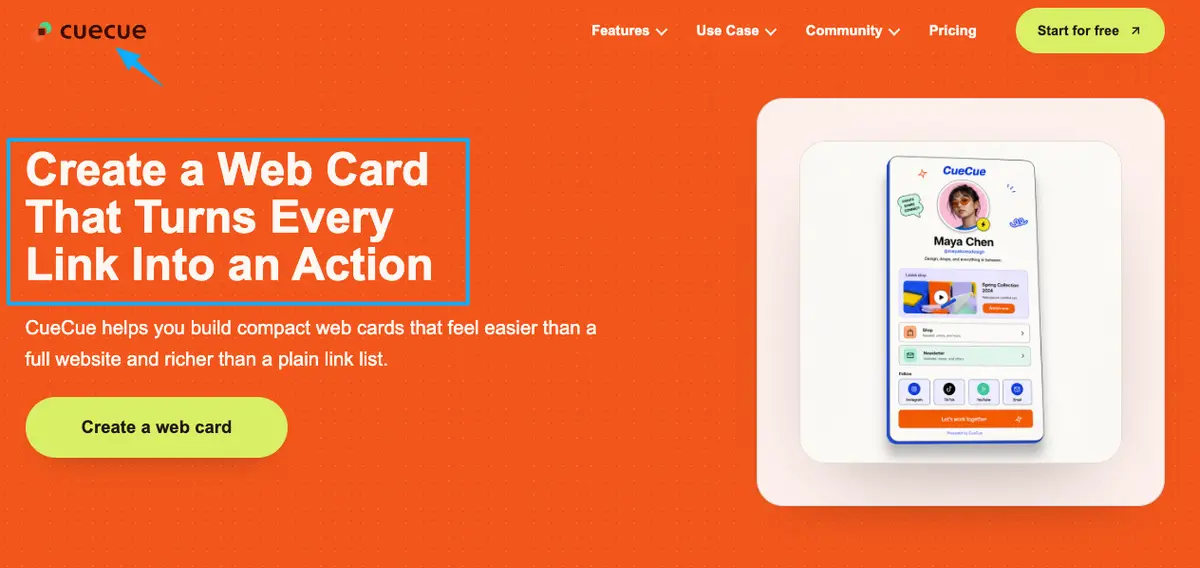
Here's an example you could build: one card with your best work up top, a short inquiry form for budget, timeline, and platform, and a single "work with me" button. A tool like CueCue's interactive web card is one way to put that together from a template and share it as a link or a QR code. The point isn't the tool. It's that the page does one job well, instead of asking people to dig. I used to think a fuller site looked more serious. What actually looked serious was a page where a brand could see my work and book me without three extra clicks.
When a full website is still better
A one-page action page is not a tiny website, and pretending it is will frustrate you fast. There are clear cases where a full builder like Squarespace is the right call:
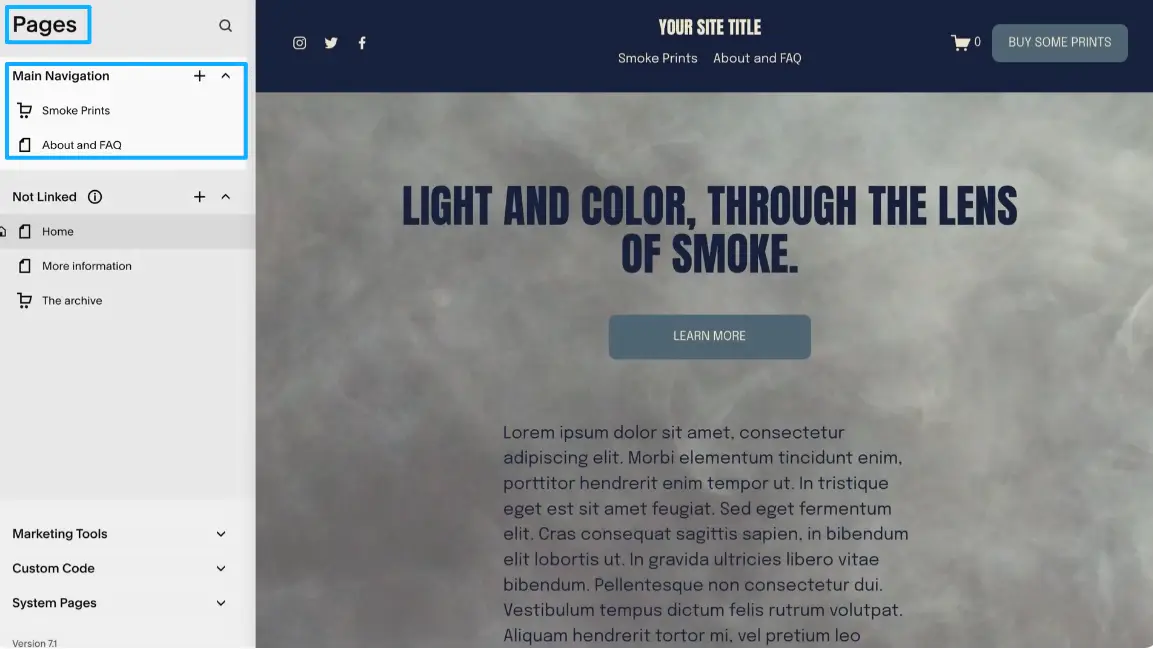
- You're publishing ongoing content: a real blog, a resource library, articles you want indexed over time. (That's exactly what Squarespace's pages and navigation system is built for.)
- You're running a true store with lots of products, variants, and inventory.
- You need real depth: separate pages for services, locations, case studies, and policies, all connected by a menu.
- You want a broad search footprint across many URLs, not a single page.
If two or three of those sound like you, a one-page tool is just the wrong shape for the job, and the Squarespace alternatives that are themselves full website builders — Wix or WordPress — will treat you better than a card ever could. Size the tool to the job, not to whatever's loudest online. And if you genuinely can't tell yet, nothing stops you from starting with the page and growing into the site later. The reverse, shrinking a sprawling site back down once you've built it, is the painful direction.
Decision guide for non-technical users
You don't need to understand hosting or code to make this call. Run through four questions:
- What's the one action? Name the single thing you want a visitor to do. If you can, lean one-page. If you genuinely can't pick one, you may need a site.
- Will you publish regularly? New posts, new pages, ongoing content points to a full website. A page you set once and tweak occasionally points to an action page.
- Are you selling a catalog? Many products and inventory needs a store-capable site. One offer or drop, and one page handles it.
- How soon do you need it live? Days, for a specific event or launch, favors one page. No rush plus lots of content, take the time to build a site.
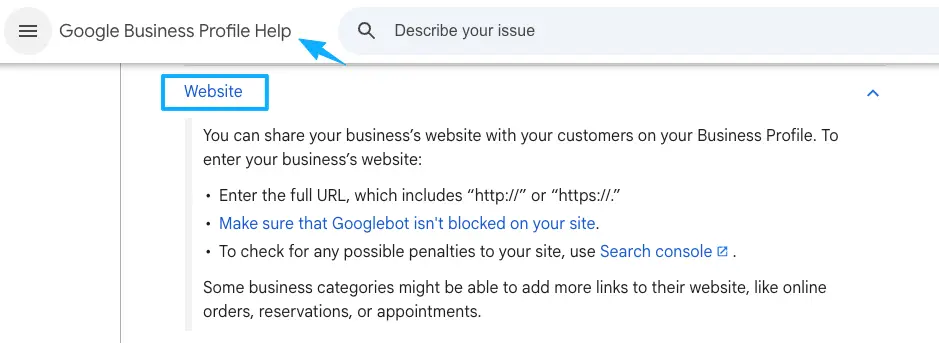
Two things trip people up here. "Looking professional" and "being findable" are not reasons you must build a full site. Most decent one-page tools let you hook up a custom domain and check basic analytics, which means a single page can look the part and give you real numbers, same as a bigger site would. (Plan details shift around, so confirm what's included on whatever tool you land on.) Running a local business? The link sitting on your Google Business Profile can send people to one action page just as well as it sends them to a full site.
The honest version of the "Squarespace alternatives" question is almost always about scope, not about which logo you pick. So here's your one move today: open a note and finish this sentence — "When someone lands on my link, I want them to ___." One verb. Build that one page first, before you sign up for a whole multi-page site. No full website needed to get something real and live, and if the goal eventually turns into a blog or a store, that's exactly when a full builder earns its keep.
FAQ
What is a Squarespace alternative?
Any tool you'd use instead of Squarespace. That can be another full website builder if you need a whole site, or a lighter one-page action page tool if you mostly need one mobile destination. The right Squarespace alternative depends on whether your goal is a site or a single page.
How is an action page different from a website?
A website is many pages tied together with navigation and, usually, ongoing content. An action page is one mobile page built around a single next step, like a booking, an RSVP, or an inquiry. Different shape, different job.
What should a one-page action page include?
One clear goal. The few things someone needs in order to act on it, meaning the key info plus a form or a button. A layout that's built for phones first. And a simple way to reach you. A custom link or domain helps it feel legit. For exact features and limits, check the official current documentation of whatever tool you pick.
Can you start with one action page and add a website later?
Totally, tons of people do it in that order. One page first, aimed at a single goal. Then, if you ever really need ongoing content or a proper store, you add the full site on top. Starting small never locks the door on going bigger down the line.
About this content
- Written by
- Mia Anderson, UGC Creator · Content Creator
- Reviewed by
- CueCue Team, Editorial review desk
- Last updated
- June 9, 2026
- Editorial standard
- CueCue articles are written for practical use, checked for clear sourcing, and updated when product or policy details change.