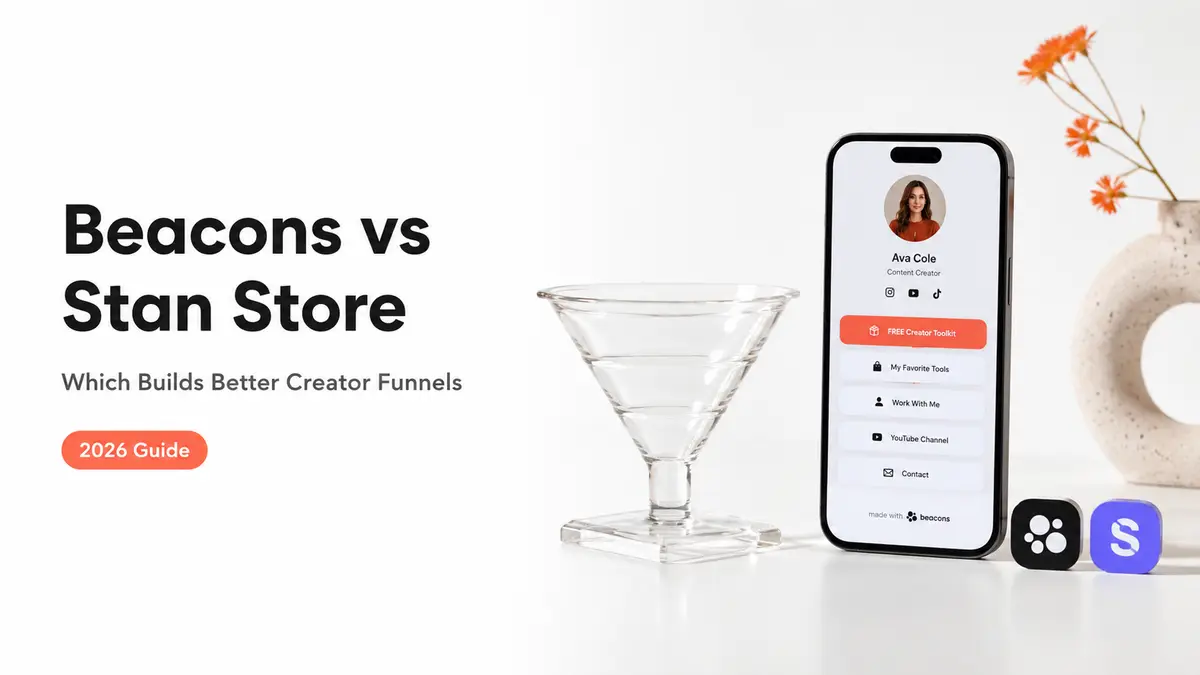
Last month I tried to send one person everything they'd need to buy my mini-course, and I watched myself open five tabs to do it. Linktree for the link. A Google Form for their email. Calendly for the call. Gumroad for the actual product. My camera roll for the screenshots. One sale, five tools, and I still fumbled the handoff. That exact mess is what platforms like these were built to end. If you're weighing Beacons vs Stan Store to run your creator funnel from one place, this will help you compare them stage by stage and figure out whether you even need that much backend. No crowning a winner, because the right pick really depends on your funnel.
Short version
Both Beacons and Stan Store pull your scattered tools into one creator page. They just lean different directions.
Beacons leans toward an AI-powered link-in-bio with a store, email, and brand-deal tools bolted on. Stan Store leans toward a clean storefront and checkout built for selling digital products, courses, and coaching.
If your funnel is really just one offer or one inquiry, though, a full platform might be more than you need, and a focused action page can cover it. Pick by how much funnel you're actually running.
Beacons vs Stan Store in creator funnels
A funnel is just the path from "saw your post" to "did the thing," whether the thing is buying, booking, or joining your list. Both of these tools try to own that whole path from a single link.
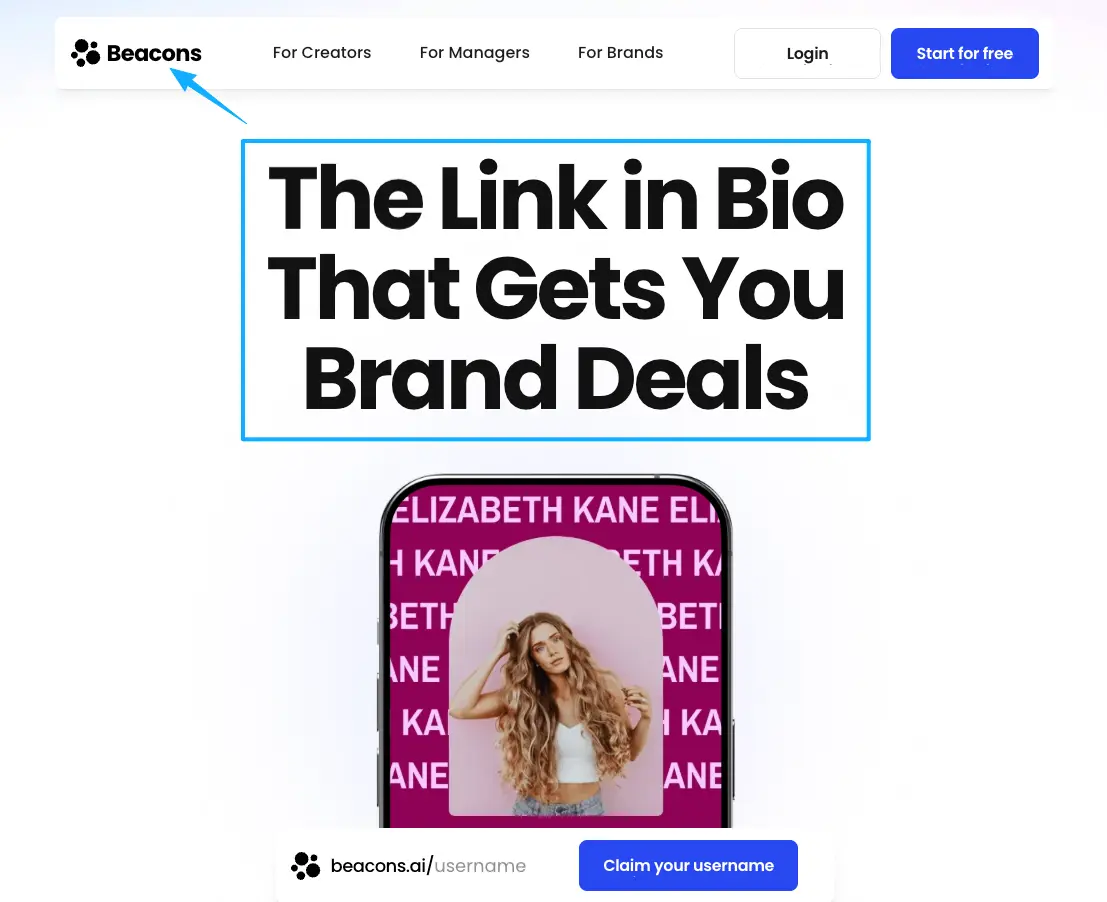
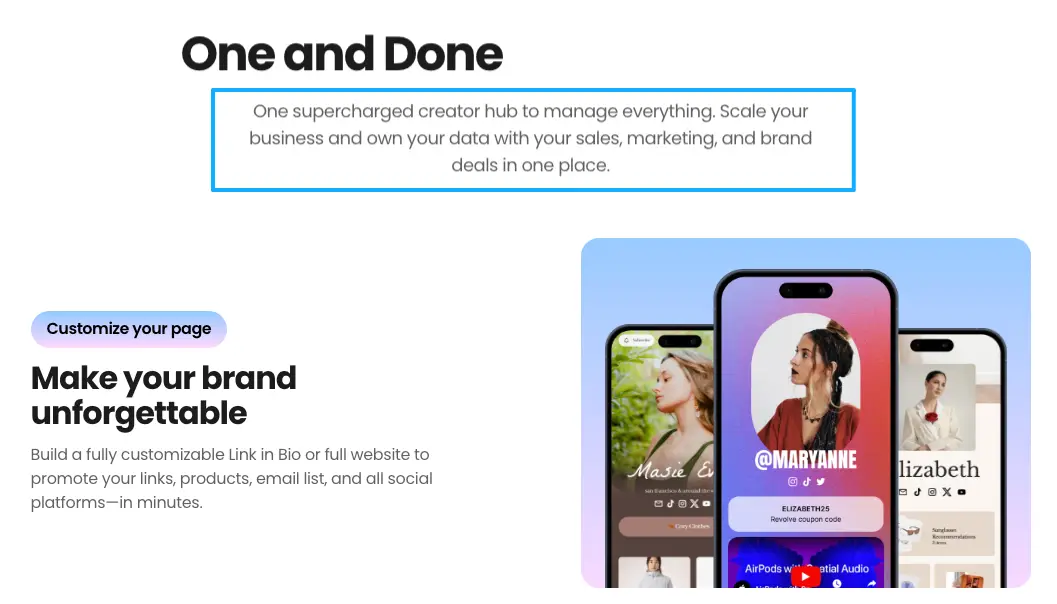
Beacons calls itself an all-in-one creator platform: a link-in-bio that also runs a store, email marketing, a media kit, and brand-deal tools, with AI threaded through to speed setup. The bio page is the hub, and selling is one of the things it does.
Stan comes at it store-first. Its storefront is built around selling. Digital products, courses, memberships, coaching — that's the home turf. And the checkout feels like part of Instagram or TikTok. The page exists mainly to turn a tap into a purchase or a booking.
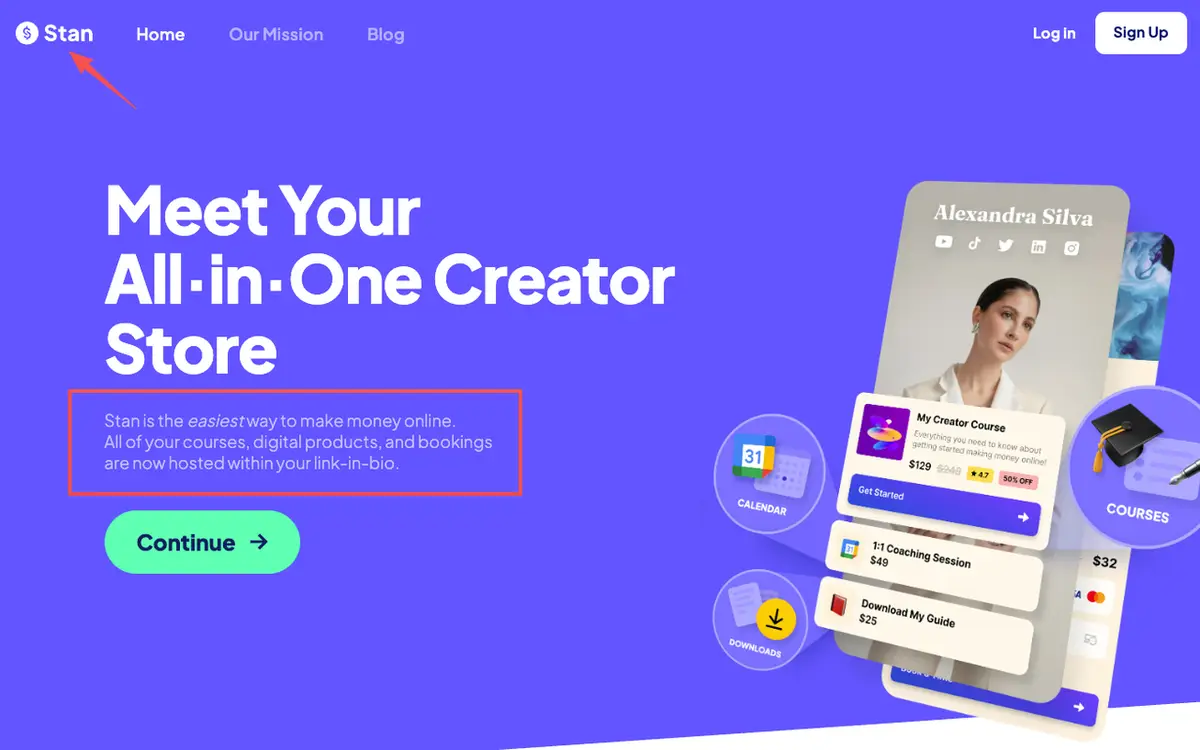
So both consolidate your funnel. One starts from "here's everything I am," the other from "here's what I sell." Same link. Different front door. That tilt shapes which one fits you.
Compare by funnel stage
The cleanest way to judge Beacons vs Stan Store is to walk your own funnel and ask how each handles every step. Three stages matter most. Just three.
Bio entry, offer page, and audience capture
Bio entry. This is the tap. Both tools give you a single link for your profile that you drop into Instagram, TikTok, or YouTube. Beacons makes that entry page a fuller bio hub. Stan makes it open closer to a storefront. If your bio link mostly needs to introduce you, that's one lean. If it mostly needs to sell, that's the other.
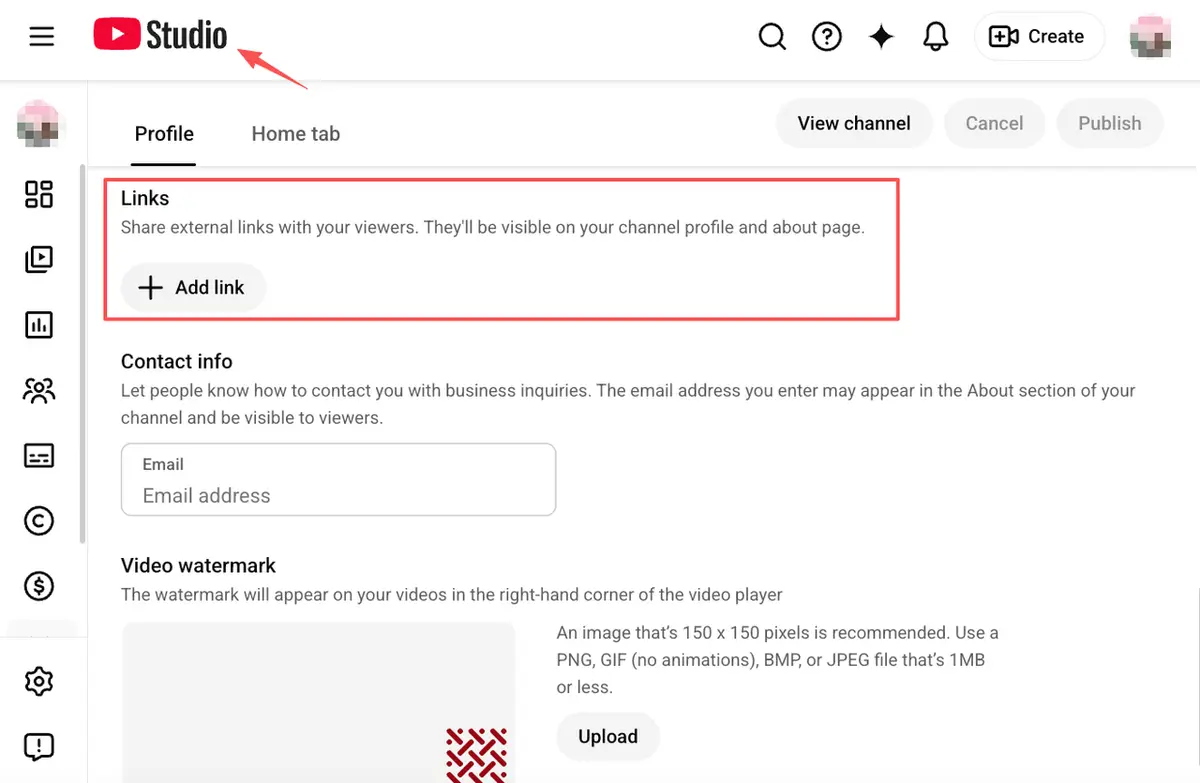
Offer page. This is where money changes hands. A creator offer page on Stan is its home turf: product, price, checkout, done. Beacons does this too through its store, alongside everything else it's juggling. If selling digital products is the main event of your funnel, weigh how central checkout feels on each.
Audience capture. This is the part creators forget. A lead capture page or email signup is how you reach people again without begging the algorithm. Both offer email tools, so look at how each fits collecting and emailing a list into the same flow, instead of treating it as an afterthought.
Your move: sketch your own three stages and mark which one matters most this season. That stage should carry the most weight in your choice.
When a focused action page is enough
Here's the question neither platform's marketing will ask you: do you actually have a funnel yet, or just one thing you need people to do?
Plenty of creators don't need a store, an email engine, and a media kit. They need one clean page that captures an inquiry or sends people to one offer. When that's the case, a full creator platform can be more dashboard than you'll ever open.
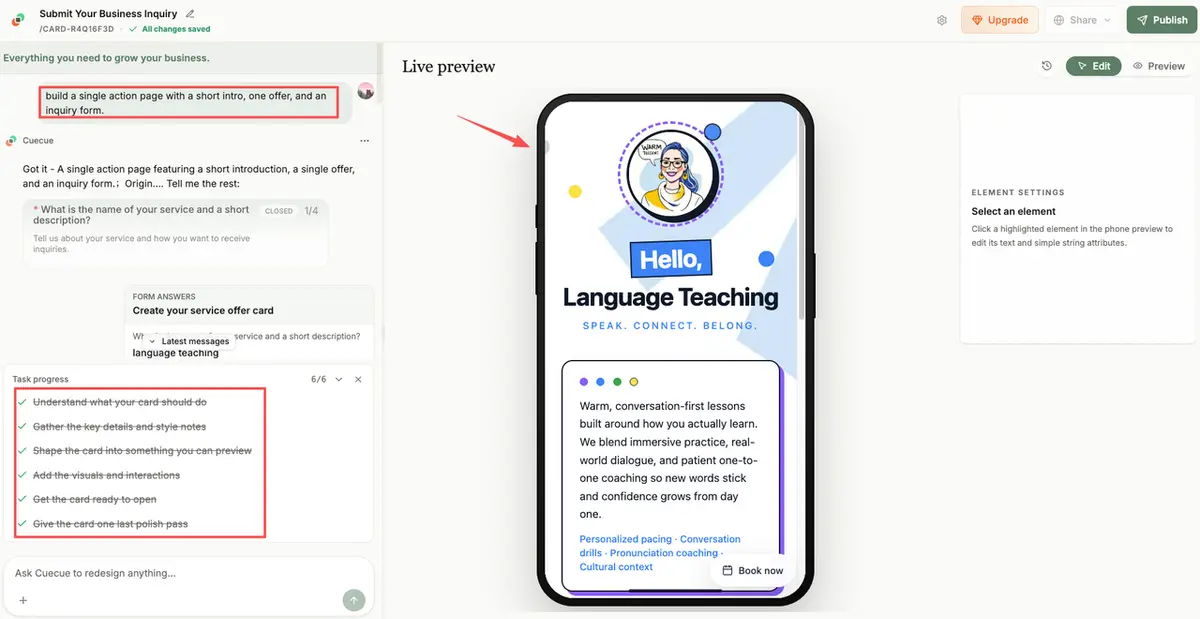
A focused action page is the lighter option. It's one page built around a single next step, with just enough context around it. The research on choice overload is a useful reminder here: the more you put in front of someone, the slower they move, so a page aimed at one action often converts a cold tap better than a sprawling hub. Here's an example you could build: a single action page (a tool like CueCue is one way to do it) with a short intro, one offer, and an inquiry form. No store backend, no course hosting, just the one move. That's it. A cold tap lands on a page that asks for exactly one thing, which is usually all an early funnel needs.
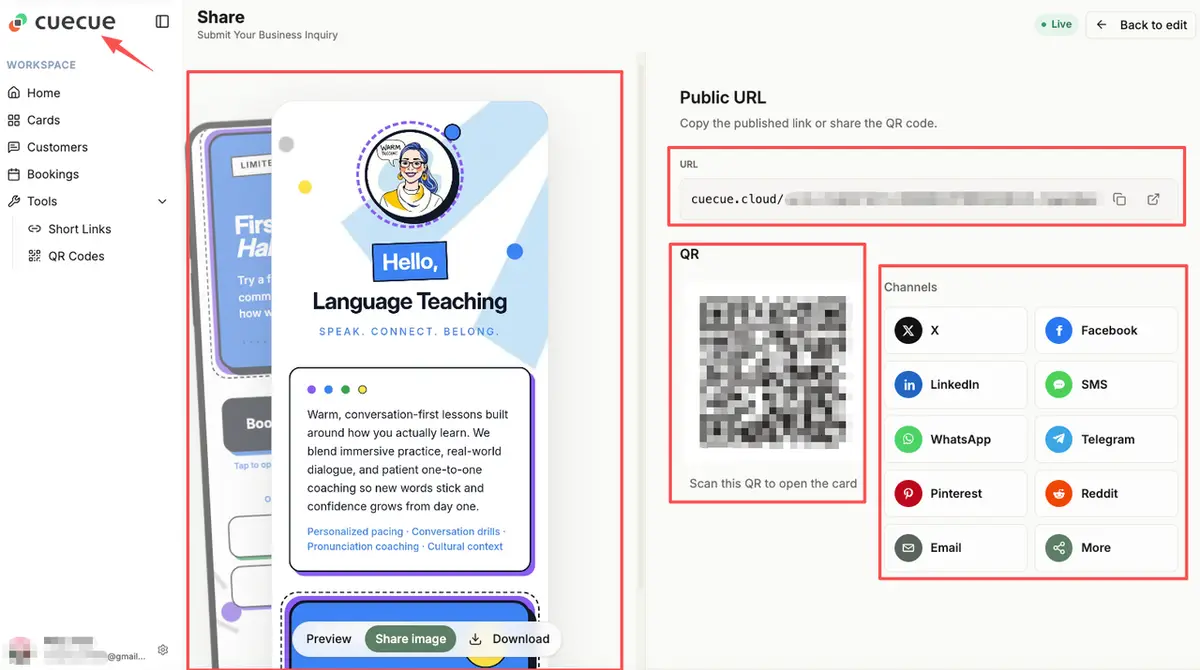
If your whole funnel fits on one page, start there. Move up to a bigger platform when you actually outgrow it. Not a day before.
When creators need a platform with more backend
Now the flip side, because plenty of creators genuinely do need the machinery.
If you're selling several digital products, running courses or memberships, sending regular emails, and pitching brands, a focused page will hit its ceiling fast. That's the moment an all-in-one earns its keep. You want the store, the checkout, the subscriber list, and the analytics living together, instead of stitched across five tabs like my mini-course disaster.
This is where both Beacons and Stan Store make their case. Beacons leans into the everything-hub plus email and brand deals. Stan leans into a tight selling-and-booking flow for digital creators. Look at which backend matches what you sell, check each platform's current pricing and fees on its own site since those change, and weigh the monthly cost against what you're actually earning from the funnel.
The test is honest: a real, multi-offer business needs a platform. A single offer doesn't yet.
Scenario-based decision guide
There's no universal answer to Beacons vs Stan Store. So here's how I'd think it through by situation.
You mostly sell digital products and courses. A storefront-first tool fits the selling motion cleanly. Lean toward the option built around checkout.
You're a multi-stream creator doing products, emails, and brand deals from one place. An everything-hub platform with email and media-kit tools probably serves you better.
You have exactly one offer or one inquiry to capture. You likely don't need a full platform yet. A focused action page covers it, and you keep your setup simple.
You're not sure your funnel is real yet. Start light, prove that people act, then upgrade to the backend when the volume justifies it.
Match the tool to the funnel you're actually running this season, not the empire you're picturing. You can always move up.
Your one move today
Forget the biggest platform. The one you want is the one that fits the funnel you're running right now.
So map your real path this week, from the tap to the single thing you want people to do, and pick the setup that carries it with the least friction. Turn every share into an action, not a scavenger hunt across five tabs, and let the tool serve the funnel, not the reverse.
FAQ
What is the difference between Beacons and Stan Store?
Emphasis, mostly. Beacons reads like an all-in-one creator hub. It's a link-in-bio that also runs a store, email, a media kit, and AI tools. Stan Store comes at it storefront-first, with the whole page built to sell digital products, courses, and coaching through a smooth checkout. Both run a funnel from one link; they just start from different centers of gravity. For exact features and current pricing, check each platform's official site, since those update.
How do creator funnels work from a bio link?
It's a short path, really. Someone taps your bio link, lands on a page, and you point them at one clear step: buy, book, or join your list. The best funnels take choices away instead of piling them on, so the next move is obvious. Your bio link is just the front door. What's behind it decides whether the attention turns into anything at all.
When should creators use a simpler action page?
When your funnel is really one step. If you mainly need to capture an inquiry or send people to a single offer, a focused page does that without the overhead of a full platform. Start simple, and add backend only when you're juggling multiple products, courses, or email at real volume.
Which setup fits lead capture better?
Whichever keeps the signup inside the same flow as the action. Both platforms offer email tools, and a focused action page can center on capture too. The thing that matters isn't the brand on the tool, it's whether collecting a contact feels like one smooth step instead of a detour. Keep that path short.
About this content
- Written by
- Mia Anderson, UGC Creator · Content Creator
- Reviewed by
- CueCue Team, Editorial review desk
- Last updated
- June 16, 2026
- Editorial standard
- CueCue articles are written for practical use, checked for clear sourcing, and updated when product or policy details change.