
Seven buttons sat in my old link in bio. YouTube, a podcast I'd stopped, a dead newsletter, two half-built shops. A brand opened it, scrolled past every one, and left without doing a single thing. So one question is worth sitting with before you scale anything: when did your auto earn setup last turn a visitor into an actual lead? Not a view. Not a click. A lead.
The phrase auto earn makes it sound like money lands while you sleep. The automatic part is real, but it lives in the making. AI drafts your captions, schedules the posts, turns one video into ten. That side genuinely runs on its own now. Tools made for exactly this, from cross-posting schedulers to AI-monetization apps like AiToEarn, are part of why the term caught on, and an app like that might even be what pulled your visitor toward you in the first place.
What does not run on its own is the moment after someone shows up. They see your reel, they tap the link, and then they hit a wall of options with no obvious thing to do. So they go. It is a strange feeling to watch your view count climb while your inbox stays empty, and it took me far too long to accept that those numbers going up were never going to pay me on their own without a page doing the catching. Traffic is not income. The gap between the two is a page, and that gap is the reason the setup feels busier than it pays.
The auto earn action page workflow
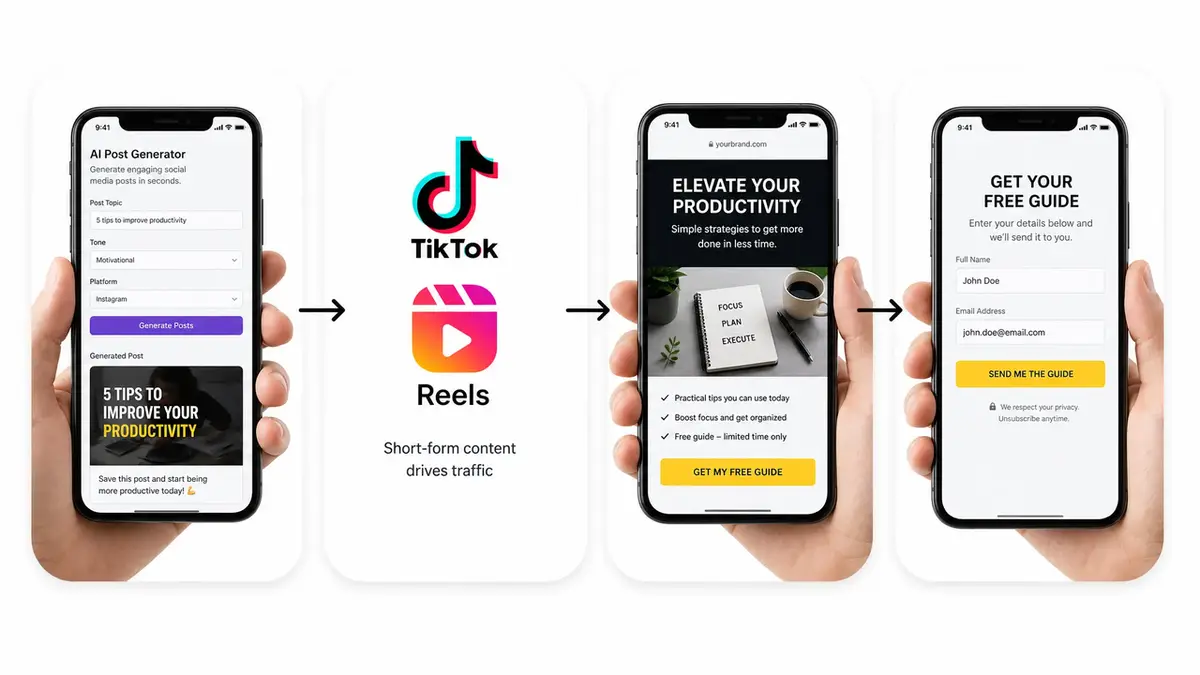
Think of auto earn as a chain, not a button. Four links, and only the first one is truly hands-off.
AI content, traffic source, mobile page, and next action
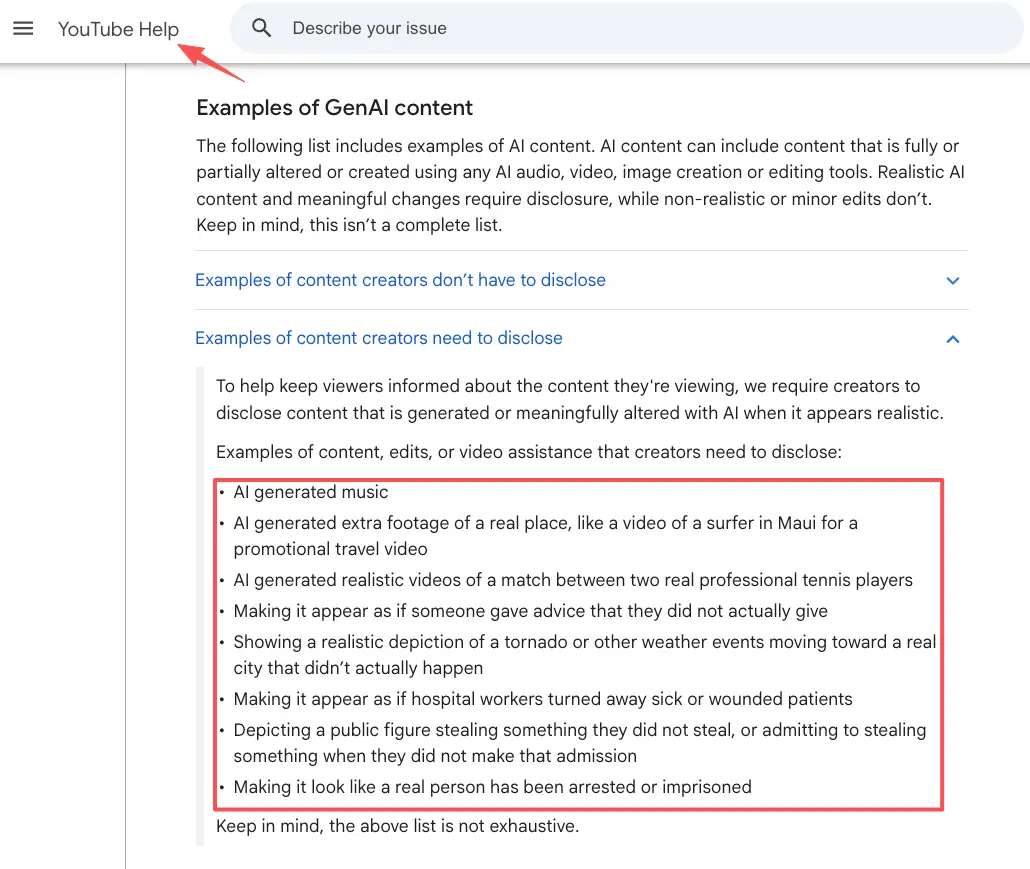
First link: the content. Maybe AI helped you write the hook or batch a week of posts. Worth knowing where the line sits here. Social networks don't look at AI-written captions the same way they view deepfakes. If you are generating hyper-realistic audio or video, brace yourself for stricter rules. YouTube, for instance, has very specific guidelines detailing exactly what counts as synthetic media and when you absolutely need to add a label. Always double-check your current workflow against their latest policies.
Second link: the traffic source. TikTok, Reels, Shorts, a Pinterest pin, a comment that took off. That part you can feed on a schedule.
Third link: the page itself. This is where most people stop building, and it shows. An AI creator landing page is just one focused mobile page that catches the visitor your content sent over, instead of dumping them into a stack of links.
Fourth link: the next action. One thing you want them to do. Sign up for the newsletter, schedule a chat, or buy the product. Decide on this exact step before you sketch out your landing page. Why? Because every single pixel on that page should drive visitors toward that one specific goal.
Break any link and the chain pays you nothing. Most creators have three strong links and a missing fourth. And the fix is almost never more content, since the content already did its job the moment someone showed up, which means the real gain is hiding in the one place nobody wants to build: the plain, focused page at the end of the chain.
Modules that support the next action
So what actually goes on the page? Fewer things than you'd guess. The page is doing one job, so it only needs the parts that move someone toward that one action.
A lead capture page wants a short form. Email, maybe one qualifying field, a clear button. That's it. Three fields outperform ten, every time, because every extra box is a reason to bail.
A creator offer page wants a featured block up top. What it is, who it's for, the action. No scrolling treasure hunt.
A booking or inquiry action wants the least friction you can manage. A bold button telling them exactly what is next—think "Get a Quote" or "Schedule a 15-Minute Chat"—will always outperform a hidden contact page. Don't make highly motivated prospects play hide-and-seek just to get in touch with you.
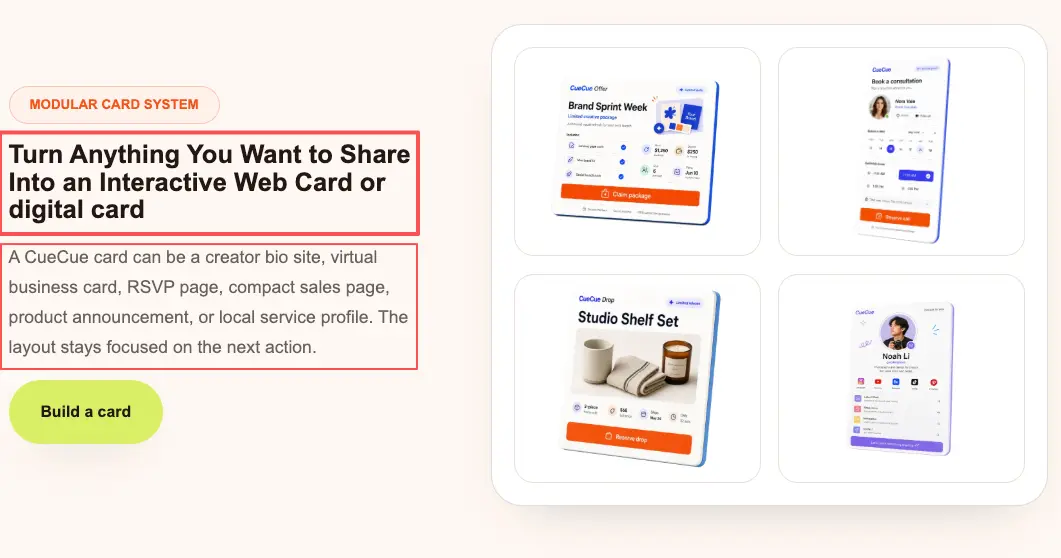
Take CueCue, for example. It allows you to drop a quick form, a highlight of your offer, and your calendar link straight onto a single, shareable card. This setup keeps the next logical step right in front of your audience, exactly where they are already looking. The point is not the specific tool. The point is that the modules map to the action, and anything that doesn't serve it gets cut.
Risks and boundaries
Here's where auto earn content tends to wander into trouble, and it's worth drawing the lines on purpose.
Avoid passive income promises and set clear tracking expectations
Don't promise people passive income, and don't quietly promise it to yourself either. This matters beyond vibes. The FTC has been steadily acting on deceptive AI earnings claims, especially the "make money on autopilot with AI" pitch. If your page or your captions hint at guaranteed returns, that's the exact framing under scrutiny. Keep claims to what you can actually back up.
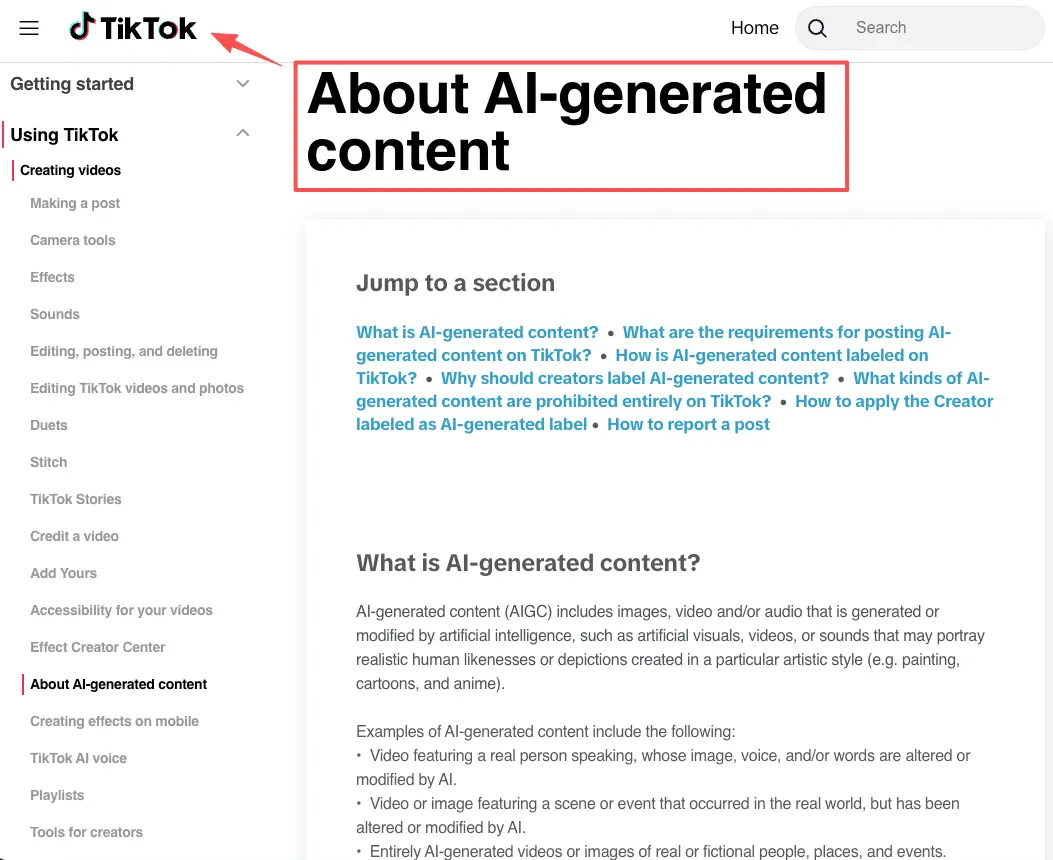
Same care with the content itself. If you publish realistic AI-generated video or audio, label it. TikTok's rules on AI-generated content lay out when disclosure is required, and the platforms don't all draw the line in the same place, so read each one rather than assuming.
On tracking, set honest expectations. A simple page can tell you a link got opened or a form got filled. That's useful. It is not full attribution across every platform. Before you promise yourself a tidy dashboard of numbers, check what your page tool actually reports, and treat anything beyond that as a guess.
When a link list is not enough
A plain list of links is fine when your only goal is "here are my things." It falls apart the second you actually need someone to do one specific thing.
Why? Because a link is a promise. Every option you add splits attention and quietly raises the odds the visitor picks nothing. Seven buttons isn't generous. It's seven small decisions you handed to someone who came for one. My old bio proved it the hard way: more links, fewer actions. When I finally cut it down to a single page with one offer and one button, the same traffic suddenly started leaving me actual messages, which told me the problem had never been reach and had always been the missing place for that reach to land.
An action page flips that. One offer, one form or one button, one promise the page keeps the instant they tap. That's the difference between traffic that leaves and traffic that does something.
Auto earn was never going to fix this on its own. You need the one page that turns a share into an action, so build that page first and let the automation feed it.
FAQ
What does auto earn mean for creators?
Basically, it means handing off the boring, repetitive chores of content creation to AI and scheduling tools. Your posts keep going out, but you aren't stuck at your desk. Keep in mind, however, that the money part still requires actual strategy; it does not just magically happen on its own. Income still depends on what visitors do once your content sends them somewhere. I treat it as a workflow label and not a results promise, because the moment I started reading it as guaranteed income was the moment I stopped building the part that actually earned.
How do creators turn AI traffic into leads?
Send that traffic to a focused page instead of a flat link list. Give it one clear action and a short form, then capture the contact before the visitor drifts off. A reel can pull a thousand views, but only a page with a real next step converts any of them.
When is an action page better than a link list?
Whenever you need a specific result. Bookings, signups, inquiries, an offer claimed. A link list spreads attention across everything at once. An action page points it at the single thing you care about right now.
How can creators use AI-generated traffic responsibly?
Keep it real in two key areas: the promises you make and the disclosures you provide. Ditch the "guaranteed passive income" hype completely, and make sure you tag synthetic media if the app demands it. Since these guidelines change constantly, keep a close eye on official FTC updates and platform policies instead of just reading them once and forgetting about them.
About this content
- Written by
- Mia Anderson, UGC Creator · Content Creator
- Reviewed by
- CueCue Team, Editorial review desk
- Last updated
- June 25, 2026
- Editorial standard
- CueCue articles are written for practical use, checked for clear sourcing, and updated when product or policy details change.